 |
|
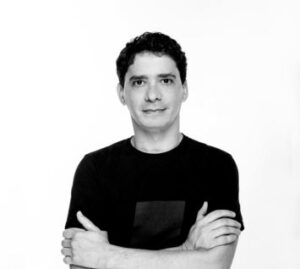
FERNANDA BARBARA Fundou o escritório UNA barbara e valentim, depois de mais de 20 anos como sócia do Una Arquitetos. É formada pela Faculdade de Arquitetura e Urbanismo da Universidade de São Paulo e professora associada da Escola da Cidade. Participou de seminários internacionais e proferiu palestras em diversas cidades como Chicago, Paris, Porto, Lisboa, Santiago e Montevideu. Foi membro da equipe curadora da representação brasileira na Bienal Internacional de Veneza em 2006, e integrou a equipe de curadores da Bienal Ibero Americana de 2019. É coautora de edifícios de escalas e usos diversos: espaços culturais, como o Centro Maria Antonia (da USP), edifícios residenciais, educacionais, estações de trem, além de projetos urbanos, como o Plano para o Parque Dom Pedro II, no centro histórico de São Paulo, que inclui o projeto de uma nova unidade do Sesc, hoje em obras. Diversos projetos receberam premiações e participaram de exposições nacionais e internacionais, incluindo a Bienal Iberoamericana, Trienal de Lisboa e quatro edições da Bienal de Arquitetura de Veneza.
Founded the office UNA barbara e valentim, after more than 20 years as a partner at Una Arquitetos. |
|---|---|---|
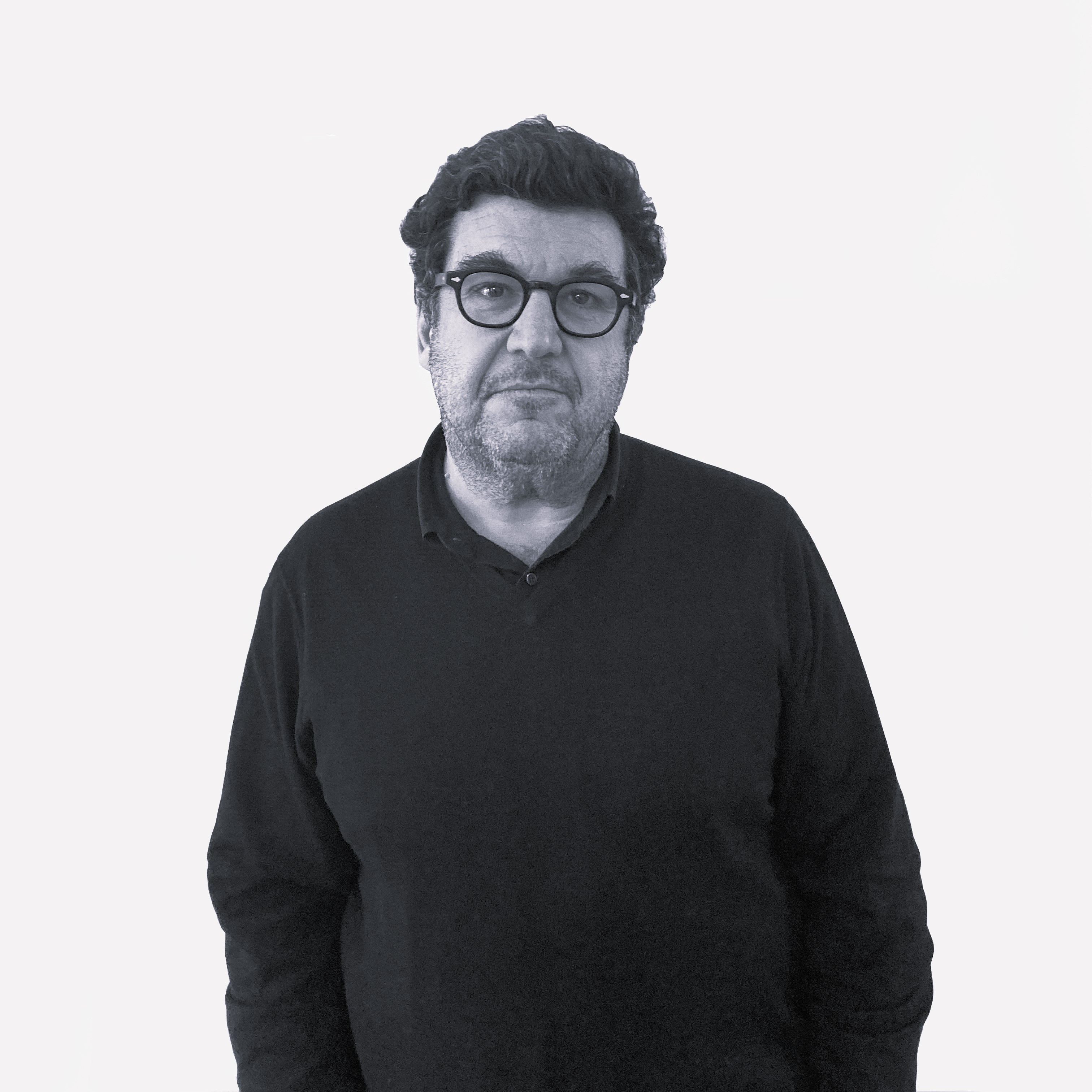 |
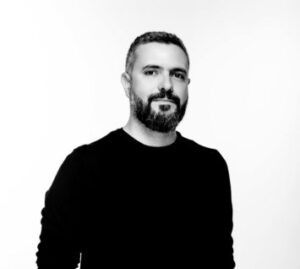
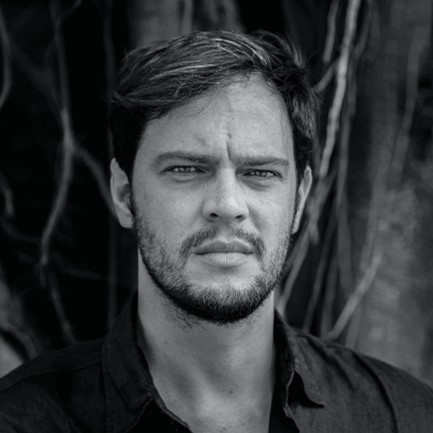
RICARDO BAK GORDON Nasceu em Lisboa em 1967, tendo-se licenciado em 1990 na Faculdade de Arquitetura da Universidade Técnica de Lisboa. Durante os seus estudos frequentou também a Faculdade de Arquitetura da Universidade do Porto e o Instituto Politécnico de Milão. Foi professor do Mestrado Integrado de Arquitetura no Instituto Superior Técnico entre 2009 e 2019 e na Escola de Arquitectura da Universidad de Navarra, Pamplona, Espanha entre 2017 e 2019.
Born in Lisbon in 1967, he graduated in 1990 from the Faculty of Architecture of the Technical University of Lisbon. During his studies he also attended the Faculty of Architecture of the University of Porto and the Polytechnic Institute of Milan. He was a professor of the Integrated Master of Architecture at Instituto Superior Técnico between 2009 and 2019 and at the School of Architecture of the Universidad de Navarra, Pamplona, Spain between 2017 and 2019. He was Visiting Design Critic at Harvard Graduate School of Design from 2015-17, Cambridge, Massachusetts. He was also a guest lecturer and/or professor at several universities and international institutions such as the Academy of Architecture of Mendrisio, the IUAV University of Venice and the Escola Técnica Superior de Arquitectura of Barcelona. He is currently a guest professor at the Autonomous University of Lisbon and the Université catholique de Louvain UCL. He has been working as an architect since 1990, and in 2002 created the Bak Gordon Arquitetos studio, which he coordinates and where he works. He was the author of the Portuguese Pavilion at ExpoZaragoza 2008, the Portuguese Pavilion at the São Paulo Biennale 2007 and the exhibition project for the 1st edition of the Lisbon Architecture Triennale 2007. He is co-author of the project for the new National Coach Museum, in Lisbon. He has a vast body of work built in the private and public domain, of which the interventions in schools, carried out in Portugal and Switzerland, stand out. His work as an architect was presented in different exhibitions in Portugal, Spain, Italy, United Kingdom, Germany, Czech Republic, Mexico, Ecuador, Brazil, Macau, South Korea and Japan; and published in prestigious specialty journals. Foi vencedor do prémio FAD 2011 (Barcelona, Espanha), do prémio BIAU 2012 (Cádiz, Espanha), prémio CICA BA 2015 (Buenos Aires, Argentina) e o prémio APCA (São Paulo, Brasil), e foi nomeado para o prémio Mies van der Rohe em 2009, 2011 e 2022 Foi também representante de Portugal na Bienal de Veneza de 2010, 2012, 2018, e na Bienal de Arquitectura de Chicago de 2017. |
|
 |
|
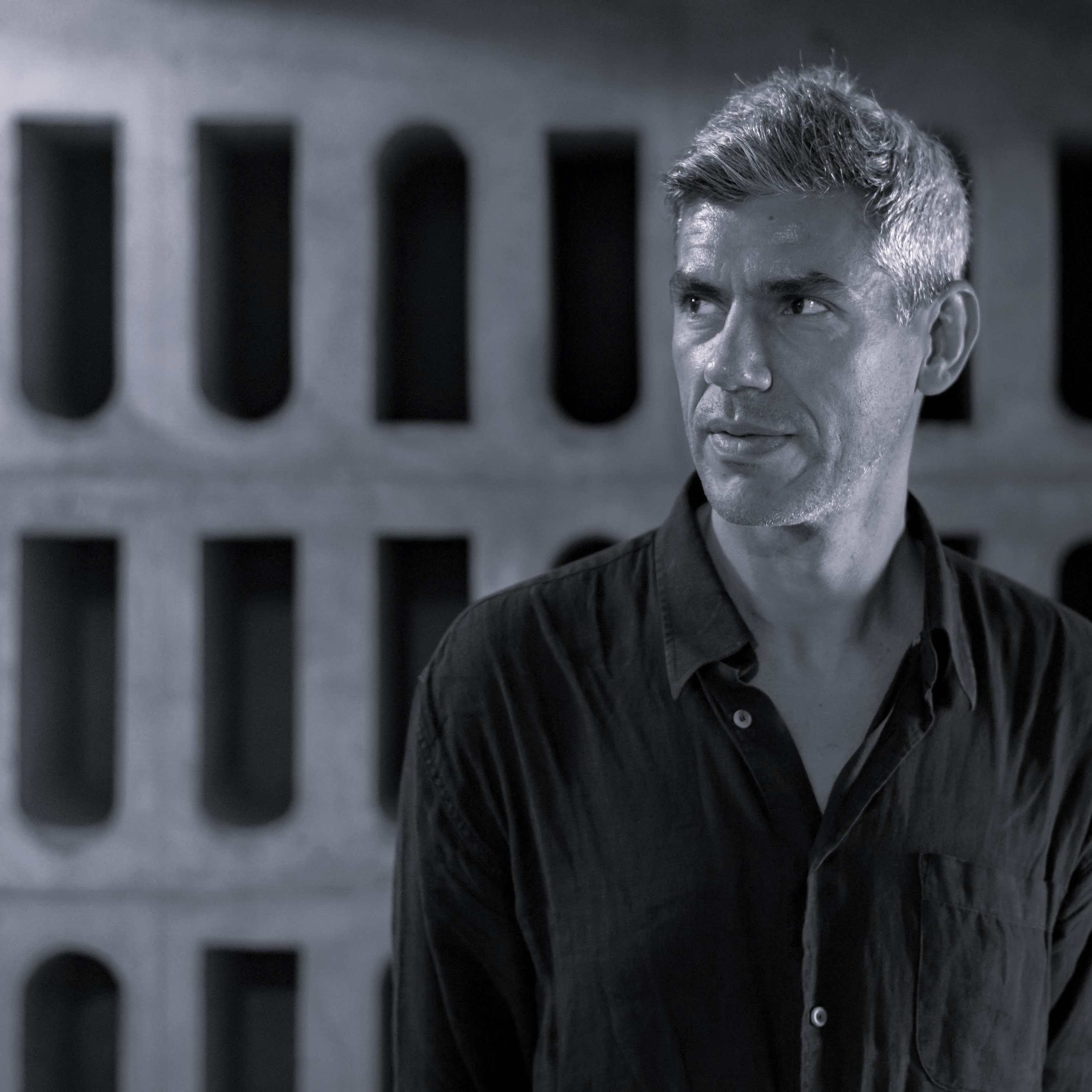
GUSTAVO UTRABO Baseado em São Paulo, Gustavo Utrabo (Curitiba, Brasil, 1984) graduou-se em Arquitetura e Urbanismo pela Universidade Federal do Paraná em 2010. Ele é professor da IIT College of Architecture, atual recipiente da IIT Victor A. Morgenstern Family Chair in Architecture, e anteriormente foi professor visitante da Universidade de Hong Kong e professor assistente da Escola da Cidade de São Paulo. Utrabo dirige seu próprio estúdio onde pretende expandir o campo da arquitetura, conectar pessoas e imaginar o futuro através de abordagens sustentáveis e inclusivas. Essas ideias se reúnem em um extenso portfólio que rendeu importantes prêmios como RIBA International Prize (2018), RIBA International Emerging Architect (2018), Lafarge Holcin Award - Silver Medal Latin America (2021), duas vezes finalista do Harvard Wheelwright Prize , entre outros. A obra de Utrabo faz parte de diferentes coleções atualmente, como o Museu Óscar Niemeyer e o Centro Georges Pompidou. Em 2022, Utrabo recebeu o título de Cavaleiro da Ordem do Rio Branco por sua significativa contribuição à Cultura Brasileira. Recentemente foi publicada sua primeira monografia pela El Croquis intitulada: Estúdio Gustavo Utrabo, ojos cerrados para verte mejor - 207.
Based in São Paulo, Gustavo Utrabo (Curitiba, Brazil, 1984) graduated in Architecture and Urbanism from the Federal University of Paraná in 2010. He is a professor at the IIT College of Architecture, current recipient of the IIT Victor A. Morgenstern Family Chair in Architecture , and was previously a visiting professor at the University of Hong Kong and an assistant professor at the Escola da Cidade de São Paulo. |
 |
|
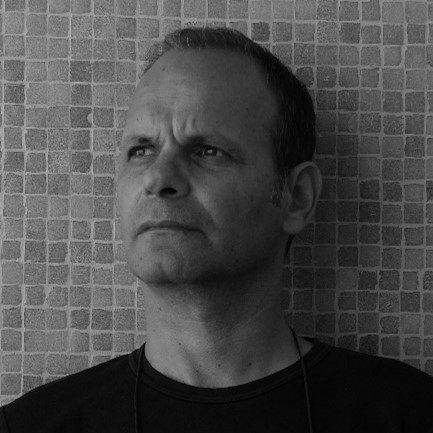
CAMILO REBELO Camilo Rebelo nasceu no Porto em 1972. Estudou no Colégio Alemão do Porto e diplomou-se pela Faculdade de Arquitetura da Universidade do Porto em 1996. Colaborou com Souto de Moura 1994-98 e com Herzog & de Meuron 1998-99. Iniciou a sua atividade enquanto profissional liberal no Porto em 2000 e desde então elaborou cerca de uma centena de projetos, parte dos quais em parceria com Tiago Pimentel e Susana Martins. Ensinou em instituições tais como, Faculdade de Arquitetura da Universidade do Porto, E.P.F.Lausanne, E.T.S.A. U.Navarra, Accademia di Mendrisio, RAC University Shanghai. Desde 2015 tem um atelier de investigação “Arquitetura e Paisagem” no Politécnico de Milão.
O seu campo de investigação tem a sua dimensão entre arcaico – moderno e abstrato - figurativo, e tem-se desenvolvido maioritariamente nas relações arquitetura - natureza, cruzando contextos urbanos e territórios de paisagem natural protegida e classificada. Matéria, a sua atmosfera, os seus processos construtivos e a premência dos seus usos em cada contexto tem sido reconhecido em Portugal e no estrangeiro.
Camilo Rebelo was born in Porto in 1972. He studied at Colégio Alemão do Porto and graduated from the Faculty of Architecture of the University of Porto in 1996. He collaborated with Souto de Moura 1994-98 and with Herzog & de Meuron 1998-99. He began his activity as a freelance professional in Porto in 2000 and since then has developed around a hundred projects, some of which in partnership with Tiago Pimentel and Susana Martins. He taught at institutions such as the Faculty of Architecture of the University of Porto, E.P.F.Lausanne, E.T.S.A. U.Navarra, Accademia di Mendrisio, RAC University Shanghai. Since 2015 he has had a research studio “Architecture and Landscape” at the Milan Polytechnic. His work has been recognized through several national and international awards, including Bauwelt Award, Baku UIA Award and Douro Award and nominations for the Secil Award, BSI Swiss Award and EU Mies Award. The Ktima house was chosen by BBC2 for a documentary “worlds most extraordinary homes underground”. His field of research has a dimension between archaic – modern and abstract-figurative, and has developed mainly in architecture-nature relations, crossing urban contexts and protected and classified natural landscape territories. Matter, its atmosphere, its construction processes and the urgency of its uses in each context have been recognized in Portugal and abroad.
|
 |
|
JOÃO MENDES RIBEIRO Nasceu em Coimbra em 1960. Licenciado pela Faculdade de Arquitectura da Universidade do Porto em 1986. Doutorado pela Universidade de Coimbra em 2009. Professor Associado no Departamento de Arquitectura da Faculdade de Ciências e Tecnologia. Prémio Architécti, 1997 e 2000 (Lisboa); Highly Commended no AR awards for emerging architecture, 2000 (Londres); Prémio Diogo de Castilho 2003, 2007, 2011, 2017 e 2021 (Coimbra); Prémio João Almada 2021 (Porto); Prémio FAD 2004 Interiorismo, Prémio FAD 2016 Arquitectura e Prémio de Opinião FAD 2022 Interiorismo (Barcelona); Gold Medal for Best Stage Design, 11th International Exhibition of Scenography and Theatre Architecture – Prague Quadrennial 2007 (Praga); IV Prémio Enor, na categoria Portugal, 2009 (Vigo); Prémio BIAU, Bienal Ibero-Americana de Arquitectura e Urbanismo, 2012 (Cádiz) e 2016 (São Paulo); RIBA Award for International Excellence 2016 (Londres); Prémio Nacional de Reabilitação Urbana 2017 e 2021; Prémio BigMat 2017 (Luxemburgo); XII Prémio Secil de Arquitectura 2020 (Lisboa); Prémio Nacional Arquitectura em madeira 2021 – PNAM’21. Menção Honrosa no Prémio Nacional de Arquitetura em Madeira - PNAM 2013 (Lisboa), Prémio IHRU 2015, Prémio Nuno Teotónio Pereira 2017 e Prémio Nacional de Reabilitação Urbana 2021 e 2022. Nomeado para o DOMUS International Prize for Restoration and Preservation 2017 e European Union Prize for Contemporary Architecture – Mies Van Der Rohe Award 2001, 2005, 2011, 2013, 2015 e 2022 (Barcelona) do qual foi seleccionado em 2001 e 2015. Menção honrosa no DOMUS International Prize for Restoration and Preservation 2021. Finalista da II e IV Bienal Iberoamericana de Arquitectura e Engenharia Civil, 2000 e 2004 (Cidade do México e Lima); do Premis FAD d’Arquitectura i Interiorisme 1999, 2001, 2002, 2004, 2006, 2012, 2016, 2017, 2018 e 2022 (Barcelona); do Prémio Enor 2009, 2011, 2014 e 2017 (Vigo); do Prémio 2017 AZ Awards for Design Excellence e do RIBA International Prize 2016 (Londres). Em 2007 recebeu o prémio AICA da Associação Internacional de Críticos de Arte/Ministério da Cultura, atribuído pelo conjunto da sua obra e em 2006 foi distinguido pela Presidência da República com a Comenda da Ordem do Infante D. Henrique.
Born in Coimbra in 1960. Degree from the Faculty of Architecture of the University of Porto in 1986. Doctorate from the University of Coimbra in 2009. Associate Professor in the Department of Architecture at the Faculty of Science and Technology. |
|
|
|
ARQBR Fundado em 2013, o ARQBR Arquitetura e Urbanismo, sediado em Brasília, tem como origem a colaboração profissional entre os arquitetos Eder Alencar e André Velloso. A soma das experiências individuais e a busca por ideais comuns conduzem uma produção que se dá nas mais diversas escalas e programas. Seus ideais se fundamentam no poder de transformação da paisagem, da cidade e das pessoas que nela vivem. Por meio de reflexão crítica e síntese arquitetônica, o escritório desenvolve projetos que respeitam as escalas em que são implantados, evocando leveza e simplicidade. Sua experiência abrange desde reformas residenciais a projetos urbanísticos de grande escala, passando por projetos de edifícios institucionais, equipamentos sociais e residências, dentre outros. Independente do contexto, procura valorizar a dimensão pública intrínseca à arquitetura e ao urbanismo, com o objetivo de contribuir para a construção da urbanidade nas cidades onde atua. Boa parte da produção do ARQBR realiza-se por meio da atuação em concursos públicos de projetos de arquitetura, prática na qual tem obtido resultados expressivos. Além disso, ao longo dos seus 10 anos de produção, foi laureado em relevantes premiações nacionais e internacionais. Founded in 2013, ARQBR Arquitetura e Urbanismo, based in Brasília, originates from the professional collaboration between architects Eder Alencar and André Velloso. The sum of individual experiences and the search for common ideals lead to a production that takes place on the most diverse scales and programs. Its ideals are based on the power to transform the landscape, the city and the people who live in it. Through critical reflection and architectural synthesis, the office develops projects that respect the scales in which they are implemented, evoking lightness and simplicity. His experience ranges from residential renovations to large-scale urban projects, including projects for institutional buildings, social facilities and residences, among others. Regardless of the context, it seeks to value the public dimension intrinsic to architecture and urbanism, with the aim of contributing to the construction of urbanity in the cities where it operates. Much of ARQBR's production is carried out through participation in public competitions for architectural projects, a practice in which it has obtained significant results. Furthermore, throughout its 10 years of production, it was awarded in relevant national and international awards.
EDER ALENCAR Arquiteto e Urbanista graduado na Universidade de Brasília em 2010. Trabalhou com o arquiteto Paulo Henrique Paranhos, com quem participou de bienais, exposições e concursos nacionais de arquitetura. Integrou a equipe do arquiteto Oscar Niemeyer no desenvolvimento do projeto do anexo da Catedral Rainha da Paz e no projeto do Ministério do Desenvolvimento Social. Participou de concursos diversos, classificando-se em posições de destaque. Em 2013, fundou o escritório ARQBR Arquitetura e Urbanismo. Architect and Urban Planner graduated from the University of Brasília in 2010. He worked with architect Paulo Henrique Paranhos, with whom he participated in biennials, exhibitions and national architecture competitions. He was part of architect Oscar Niemeyer's team in developing the project for the Annex of the Queen of Peace Cathedral and in the project for the Ministry of Social Development. He participated in different competitions, ranking in prominent positions. In 2013, he founded the ARQBR Arquitetura e Urbanismo office.
ANDRÉ VELLOSO Arquiteto e Urbanista graduado pela Universidade de Brasília em 2010 e pelo Politécnico de Turim, Itália, onde cursou Master of Science in Archtecture. Foi bolsista selecionado para desenvolvimento de pesquisa em arquitetura na cidade de Lisboa, Portugal. Em 2013, passou a integrar, como sócio, o escritório ARQBR Arquitetura e Urbanismo. Entre os anos de 2018 e 2021, foi conselheiro do CAU/DF, atuando em diferentes atividades e comissões pelo Conselho. Architect and Urban Planner graduated from the University of Brasília in 2010 and from the Polytechnic of Turin, Italy, where he studied Master of Science in Archtecture. He was selected as a scholarship holder for the development of architectural research in the city of Lisbon, Portugal. In 2013, he joined, as a partner, the ARQBR Arquitetura e Urbanismo office. Between 2018 and 2021, he was an advisor to CAU / DF, working on different activities and commissions for the Council.
|
|
|
|